
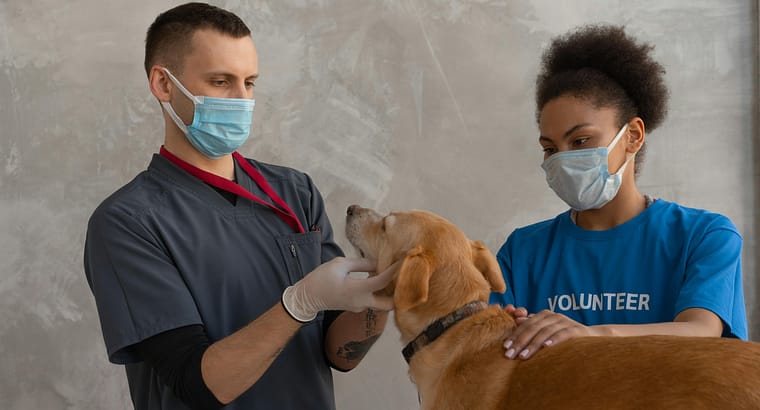
We all love to spoil our pets with treats and snacks, but not everything that’s tasty to us is safe for them. Some foods can be downright dangerous! To keep your furry friend happy and healthy, here’s a quick guide on what to keep out of their bowl.
1. Chocolate
We’ve all heard it before—chocolate is a big no-no for pets. But do you know why? Chocolate contains theobromine, which is toxic to dogs and cats. Even a small amount can cause vomiting, diarrhea, and in severe cases, seizures or heart problems. So, keep those chocolate bars and cookies out of reach!
2. Grapes and Raisins
These tiny fruits might seem harmless, but they can cause sudden kidney failure in dogs. Even a small handful can lead to serious issues. The exact reason why grapes and raisins are toxic is still unknown, so it’s best to avoid them altogether.
3. Onions and Garlic
Onions, garlic, and anything in the allium family (like leeks and chives) can wreak havoc on your pet’s red blood cells, leading to anemia. Whether raw, cooked, or powdered, these ingredients should never find their way into your pet’s food. So, no sharing that onion dip or garlic bread!
4. Avocado
Avocados contain a substance called persin, which can be harmful to dogs, cats, and especially birds. While a small amount of avocado might not be deadly, it can still cause upset stomachs and other issues. Plus, the pit is a choking hazard, so it’s better to be safe than sorry.
5. Alcohol
This one should be obvious, but it’s worth mentioning. Alcohol affects pets much more quickly than it does humans, leading to alcohol poisoning with even small amounts. Symptoms include vomiting, difficulty breathing, and in severe cases, coma or death. So, keep those cocktails far away from curious noses!
Conclusion
Feeding your pet is one of the joys of being a pet owner, but it’s crucial to know what’s safe and what’s not. By avoiding these dangerous foods, you’ll help ensure your furry friend stays happy, healthy, and full of life. When in doubt, stick to pet-friendly treats and always consult your vet if you’re unsure about something new.